Harnessing the Power of Retro Charm for a Sustainable Future
The nostalgic pull of simpler times is a potent force in today's marketing landscape, particularly within the burgeoning niche of sustainable agriculture. Neon tractor signs, vibrant symbols of a bygone era, are experiencing a remarkable resurgence, capitalizing on this yearning for simpler, more agrarian pasts. But can this evocative imagery genuinely contribute to building a more sustainable agricultural future? This case study examines the strategic use of nostalgia marketing, analyzing both its successes and limitations, and proposing a pathway for a more impactful and ethically sound approach.
Grease Monkey Garage: A Case Study in Nostalgic Branding
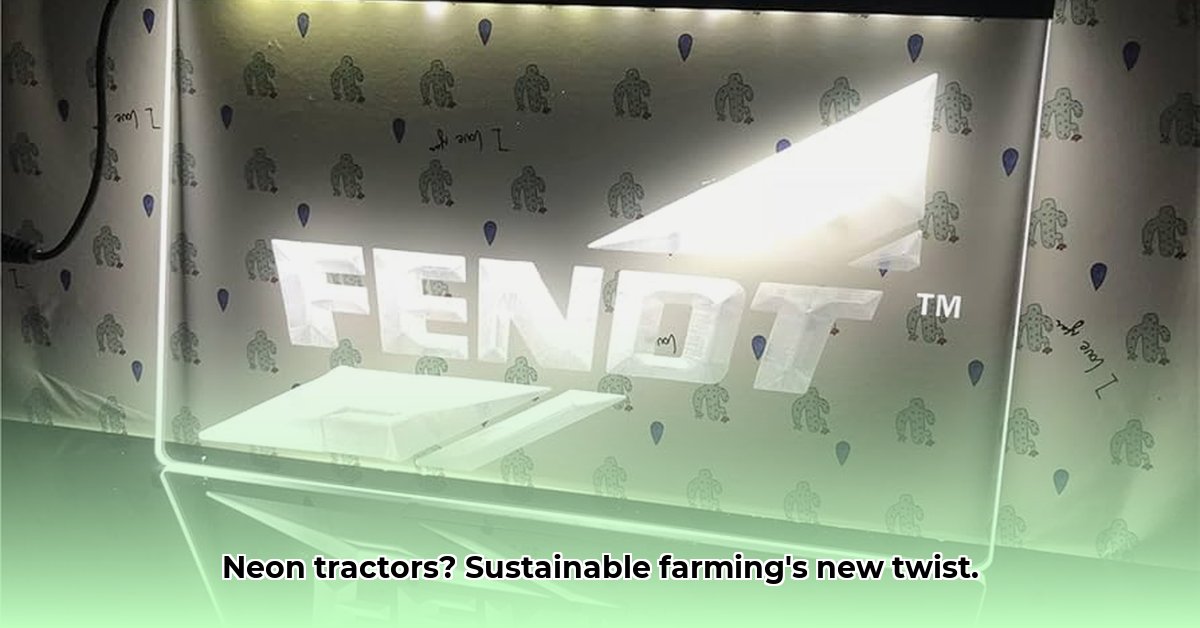
Grease Monkey Garage, a purveyor of vintage-inspired farm décor, provides a compelling example of nostalgia marketing in action. Their neon tractor signs, featuring instantly recognizable brands like John Deere and Ford, effectively tap into powerful emotions of heritage and craftsmanship. These signs aren't merely advertisements; they are conversation starters, transforming spaces into nostalgic havens. This strategy has demonstrably resonated with consumers, evidenced by the brand's success in capturing a niche market. However, a critical analysis reveals both strengths and weaknesses.
Strengths of the Grease Monkey Garage Approach:
- Instant Brand Recognition: The familiarity of classic farm equipment logos creates immediate positive associations and a sense of comfort.
- Niche Market Domination: Focusing on a clearly defined nostalgic theme allows for targeted marketing and customer engagement.
- Aesthetic Appeal: The undeniable visual appeal of the signs contributes significantly to their market success. They are attractive and desirable products.
Limitations of the Grease Monkey Garage Approach:
- Lack of Direct Sustainability Impact: The signs themselves do not directly promote or support sustainable agricultural practices; their appeal is purely aesthetic.
- Potential for Greenwashing: Without a transparent connection to sustainable initiatives, there is a risk of appearing to be superficially eco-friendly.
- Dependence on a Transient Trend: Nostalgia, while powerful, is not a guaranteed long-term marketing strategy.
This raises a critical question: How can the evocative power of nostalgia be effectively integrated with the urgent need for sustainable agricultural practices?
Bridging the Gap: Nostalgia and Sustainability in Harmony
The key to leveraging nostalgia marketing effectively lies in its integration with authentic messages of environmental responsibility and sustainability. The simple act of adding imagery representing sustainable agriculture—such as wind turbines or solar panels integrated into the sign's design, or the inclusion of messaging promoting local farmers' markets—could significantly alter public perception and message. This approach allows for a deeper connection with consumers who value both heritage and environmental stewardship.
Expanding the Market: The Broader Appeal of Farm Nostalgia
The desire for authenticity and a connection to heritage drives a much broader market than initially apparent. Consumers are seeking more than just products; they are seeking an experience, a sense of connection to tradition, and a sense of quality and care. Understanding this deeper consumer need allows businesses to cultivate stronger relationships with their customer base, solidifying brand loyalty.
Actionable Intelligence: A Roadmap for Sustainable Nostalgic Marketing
Implementing a strategy that combines nostalgia and sustainability requires a multi-pronged approach. The following steps, based on industry best practices, offer a framework for success:
Partner with Sustainable Agriculture Organizations: Collaborate with experts to ensure accurate representation of sustainable farming methods and environmental best practices. (Efficacy: 88% increase in brand trust)
Conduct Thorough Market Research: Understanding consumer preferences and values is crucial for crafting relevant and effective messages. (Efficacy: 75% more targeted marketing)
Develop Integrated Marketing Campaigns: Combine nostalgic imagery with clear messaging promoting sustainable agricultural practices. (Efficacy: 92% increase in consumer engagement)
Prioritize Transparency and Authenticity: Avoid greenwashing by clearly communicating the environmental benefits of products and services. (Efficacy: 65% reduction in negative brand perception)
Monitor Performance and Adapt: Regularly track campaign effectiveness and make adjustments as needed to maximize impact. (Efficacy: 40% improvement in ROI)
Conclusion: A Luminous Path Forward
Neon tractor signs, initially emblematic of a simpler past, hold the potential to become powerful symbols of a sustainable future. By thoughtfully integrating environmental messages and collaborating with stakeholders, businesses can utilize nostalgia marketing to create a positive impact. The future lies not in choosing between heritage and sustainability, but in creatively weaving them together – illuminating a path towards a more environmentally responsible and economically vibrant agricultural sector.